
Views: 0 Author: Site Editor Publish Time: 2026-09-15 Origin: Site


Are you constantly torn between the structural protection of a full-face lid and the unfiltered freedom of the open road? Choosing motorcycle gear is a critical engineering decision. It goes far beyond matching your bike's paint job. As safety technicians and experienced riders, we know this single piece of equipment dictates your physical safety, thermal comfort, and long-distance endurance.
Before diving into the structural differences, it is worth noting a massive shift in current industry trends. Over the past few years, the motorcycle gear market has witnessed an explosive demand for retro-styled commuter gear. As urban micro-mobility surges and classic cafe racers dominate city streets, riders are rejecting bulky, heavy shells for short trips. Instead, they expect a seamless blend of heritage aesthetics and modern composite engineering. Today's market demands lightweight fiberglass or advanced polycarbonate shells that pass stringent DOT and ECE safety standards without inducing claustrophobia.
Key Takeaways for Rider Safety & Comfort:
Impact Distribution: Full-face models offer maximum cranial and facial isolation, specifically shielding the chin and jawline—zones that absorb nearly half of all crash impacts.
Sensory Awareness: Open-face architectures provide superior natural airflow and a widened peripheral field of vision (FOV). This lightweight profile is a massive tactical advantage for urban commuting.
Acoustic Isolation vs. Modularity: Enclosed helmets naturally block wind turbulence for better Bluetooth intercom clarity. Conversely, open-face setups offer modularity, allowing riders to swap between bubble visors and riding goggles.
Application-Based Selection: Your final purchasing decision must be dictated by your primary riding environment, average cruising speeds, and individual thermal comfort thresholds.
From an engineering standpoint, a full-face motorcycle helmet functions as a continuous, unified structural cage. It wraps the crown, occipital lobe, and sides of the head while featuring a fixed, integrated chin bar. This unified construction leaves only a designated viewport, which is typically sealed by a hinged, shatter-resistant polycarbonate face shield.
The primary application for this enclosed design includes high-speed sportbike riding, track racing, and interstate touring. Riders traveling at triple-digit speeds require gear engineered for maximum aerodynamic stability. The core mechanical benefit here is total environmental isolation. It creates an impenetrable barrier against high-speed asphalt slides, airborne gravel, stinging insects, and severe weather conditions.
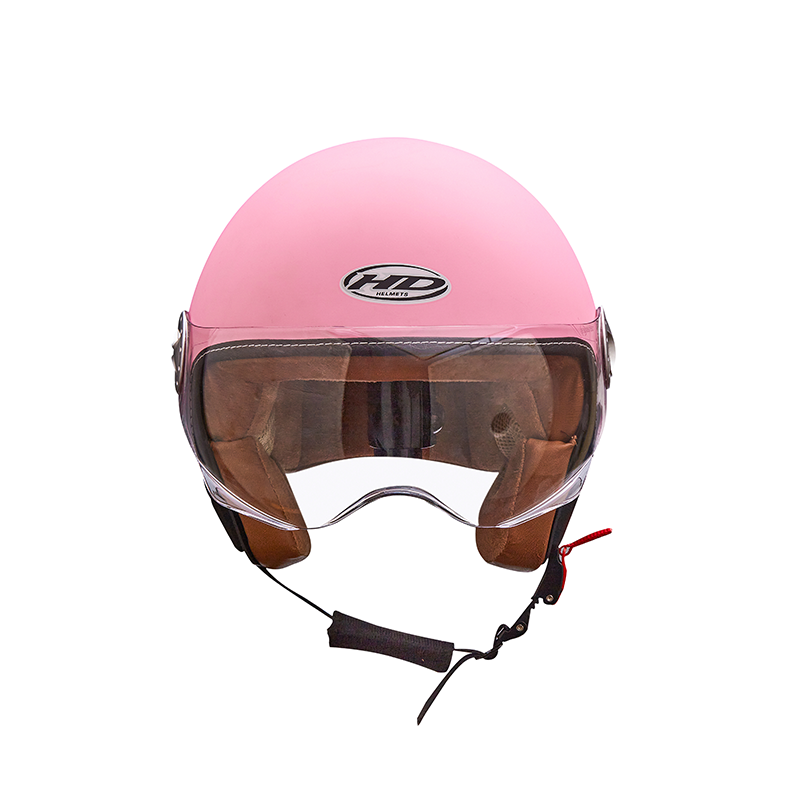
Often referred to on the shop floor as a 3/4 helmet, the open-face design takes a distinctly different approach to rider ergonomics. It features a robust outer shell that covers the top, back, and sides of the cranium, extending down past the ears to protect the base of the skull. However, it intentionally omits the integrated chin bar. This leaves the rider's lower face completely exposed to the elements.
Do not confuse this with a standard "half-helmet" (the colloquial brain bucket). A true 3/4 lid provides substantial lateral impact protection. It securely hugs the cheeks and utilizes the same high-density EPS foam liners found in premium racing gear. For those seeking authentic heritage styling, a high-quality vintage open-face motorcycle helmet has become the standard go-to choice for urban scooter commuters and traditional V-twin cruiser enthusiasts. The benefit lies deeply in the sensory experience. You feel the temperature changes in the air, hear your engine's mechanical feedback clearly, and enjoy an unobstructed view of the asphalt ahead.
When evaluating safety gear, we must rely on empirical crash data rather than anecdotal opinions. Both helmet architectures offer distinct protective profiles based entirely on their physical geometry.
Decades of comprehensive motorcycle safety research—most notably the foundational Dietmar Otte study—have meticulously mapped primary impact zones. The data reveals a sobering engineering reality: nearly 45% of all motorcycle crash impacts occur in the chin and facial area. When a rider is thrown forward over the handlebars, the natural trajectory often leads to the lower face striking the pavement first.
Full-face helmets mitigate this severe risk entirely. Because the chin bar is molded as a continuous part of the shell, it effectively absorbs and distributes the kinetic energy of a frontal impact. So, when is an exposed face justifiable?
The objective answer is that high-quality open-face models pass the exact same rigorous safety certifications (such as DOT or ECE 22.06) as their full-face counterparts—but only for the areas they physically cover. These designs are highly pragmatic for lower-speed, urban environments. In dense stop-and-go city traffic, the statistical risk of a high-speed slide is drastically reduced. For a rider navigating neighborhood streets, a 3/4 helmet provides legitimate, certified cranial protection while acknowledging the calculated risks regarding facial exposure.
To simplify the technical differences, here is a direct breakdown of how these two styles perform in real-world riding scenarios:
Performance Metric | Full-Face Helmet | Open-Face (3/4) Helmet |
|---|---|---|
Impact Protection | Maximum (Covers 100% of the head and jaw) | High Cranial (Leaves chin/jaw exposed) |
Thermal Regulation | Relies on engineered vent channels; can run hot | Unbeatable natural airflow; ideal for summer |
Field of Vision (FOV) | Restricted lower peripheral due to chin bar | Unobstructed; perfect for urban shoulder checks |
Weight & Neck Strain | Heavier (Typically 1400g - 1800g) | Significantly lighter (Typically 1000g - 1200g) |
Acoustics & Comms | Quiet acoustic chamber; easy mic installation | Higher wind noise; requires a boom microphone |
Beyond crash metrics, subjective comfort dictates how often a helmet is actually worn. A distracted, overheated, or fatigued rider is significantly more prone to making critical errors on the road.
In sweltering, humid summer weather, the open-face design is undeniably superior. The complete absence of a chin bar prevents the stagnant, sweaty heat buildup that plagues riders stuck in downtown gridlock. Continuous, unrestricted ambient air flows across the face, naturally regulating your core body temperature. Furthermore, an open-face design offers exceptional, unhindered peripheral vision. Without a bulky chin bar protruding into the lower sightline, urban commuters can perform rapid shoulder checks to spot pedestrians and erratic vehicles with minimal head movement.
Weight also plays a crucial role in cervical spine strain. Because they utilize less raw material and lack heavy visor hinge assemblies, 3/4 helmets are noticeably lighter. This reduction in mass significantly decreases neck fatigue, making them an ergonomic favorite for daily errand-running.
Prolonged exposure to wind turbulence at highway speeds can cause irreversible hearing damage. Enclosed helmets naturally block out ambient sound due to their aerodynamic shape and thick neck rolls. They create a quieter internal acoustic chamber, which makes listening to helmet speakers crisp and clear. The chin bar also provides a wind-protected mounting location for a standard wired microphone.
Tech-savvy riders, however, can easily adapt comms for a 3/4 setup. Many premium open-face shells feature recessed speaker pockets carved directly into the EPS liner. To transmit voice clearly without a chin bar, you simply install a boom microphone—a rigid, adjustable mic arm equipped with a heavy-duty windsock to aggressively filter out rushing air.
Practical convenience is where the open-face design truly shines. You can customize your setup dynamically based on the day's requirements using classic three-snap brow systems for retro bubble visors. Additionally, the exposed face allows for seamless human interactions. You can sip water at a long stoplight, speak clearly to a gas station attendant, or instantly unlock your smartphone using FaceID without removing your gear.
Making a confident purchasing decision requires matching the equipment directly to your specific lifestyle. Abstract advice is useless; here is how you should evaluate your next purchase based on real-world applications:
The Highway Tourer & Track Rider: If you spend hours devouring miles on the interstate at speeds exceeding 70 mph, a full-face helmet is non-negotiable. The aerodynamic stability, noise reduction, and high-speed impact protection are mandatory for survival.
The Urban Commuter: If your daily ride consists of navigating low-speed city traffic on a scooter or small-displacement bike, a 3/4 design is highly tactical. The superior peripheral vision helps you spot urban hazards instantly, while the reduced weight saves your neck.
The Vintage Enthusiast: If you ride a classic bobber, scrambler, or cafe racer, style and heritage matter. A classic rounded curved vintage unisex open-face motorbike helmet provides the visceral, sensory connection to the road that vintage enthusiasts crave, without causing a jarring visual disconnect with the motorcycle.
Finding the right gear means selecting a product that seamlessly blends certified safety, authentic styling, and modern interior comfort. If a 3/4 helmet aligns with your riding environment, investing in a high-quality model is your immediate next step.
For riders seeking that elusive perfect balance, we highly recommend exploring a premium Open-face Motorcycle Helmet that features modern safety specs wrapped in a retro silhouette. Specifically, look for designs that utilize robust, impact-absorbing ABS or polycarbonate shells paired with high-density EPS foam.
A prime example of this engineering is the unisex open-face motorbike helmet available at Huadun Helmet. It captures the true essence of retro riding with its classic curved vintage design, making it a visually striking addition to any cruiser setup. Beyond aesthetics, it is lined with plush, moisture-wicking interior padding to drastically reduce fatigue on longer weekend rides. If you are ready to upgrade your riding experience with gear that offers unparalleled freedom and timeless style, head over to huadunhelmet.com to secure yours today.
Ultimately, full-face helmets wear the crown for high-speed safety and total weather isolation. Conversely, the open-face design remains the undisputed champion of natural airflow, peripheral visibility, and classic motorcycling heritage. The "best" helmet is simply the one that fits your unique head shape perfectly, matches your daily riding environment, and carries a legitimate safety rating. Prioritize your specific operational needs, respect the asphalt, and ride safely.
A: While they are street-legal and DOT-approved for overall cranial protection, they completely lack chin protection. For high-speed highway riding, a full-face helmet is strongly recommended due to wind fatigue, debris, and severe impact risks. If you must wear a 3/4 helmet on the highway, installing a tall motorcycle windshield is highly advised to mitigate windblast.
A: Yes. In almost all jurisdictions, adequate eye protection is legally required. Riding goggles, shatter-proof riding glasses, or a snap-on face visor are absolutely essential to protect your corneas against wind-blindness, stinging insects, and hazardous road debris kicked up by other vehicles.
A: Beginners are generally advised to start their journey with a full-face helmet. It provides maximum physical protection while they build their foundational riding skills and balance. However, an open-face design can be suitable for beginners who are exclusively learning on low-speed urban scooters in controlled environments.
A: Absolutely. The complete lack of a chin bar allows maximum, unrestricted natural airflow directly to the rider's face and neck. From a thermal dynamics perspective, it is objectively the most comfortable and breathable option for riding in hot, humid weather conditions.
A: It should fit snugly around the crown of your head and your cheeks, with no painful pressure points. When you shake your head from side to side, the helmet should move your skin rather than sliding independently. Over time, the interior EPS liner and comfort padding will compress slightly to match your specific head shape.
A: You can, but it is highly uncomfortable. Without a chin bar and a sealed visor, rain will strike your face like tiny needles at riding speeds. If you frequently ride in unpredictable weather, a full-face helmet is vastly superior. If you get caught in the rain with a 3/4 helmet, snapping on a full bubble visor and wearing a high-collared waterproof jacket is your best defense.


